Live Edge Coffee Table: Styles, Woods & Buying Tips
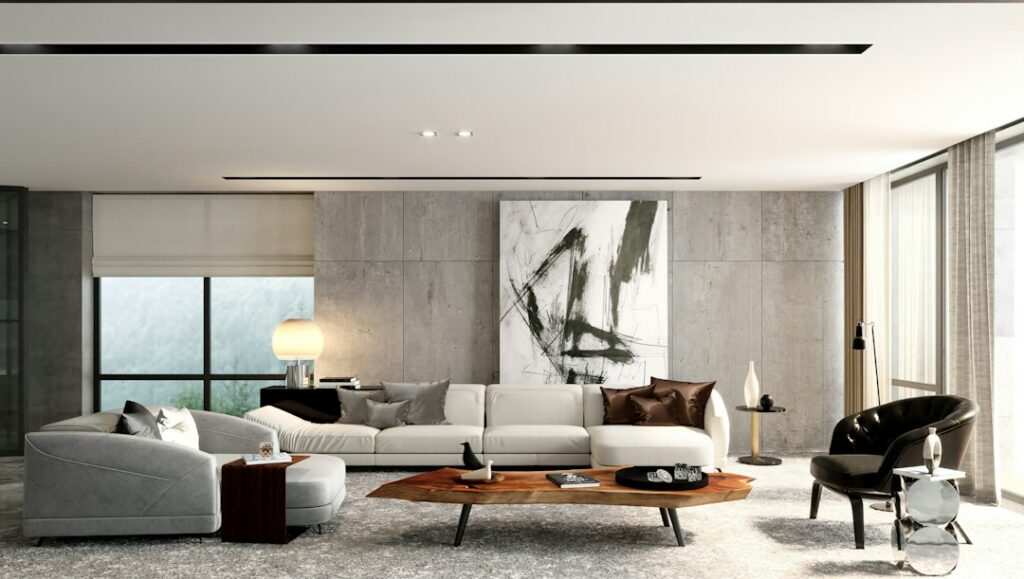
The coffee table is the piece everyone sees, sits around and puts their mugs on, so it is a natural place for a bit of natural drama. A live edge coffee table keeps the wavy outline of the tree along its sides, turning a functional surface into the focal point of the living room. Because every top is unique, though, choosing one takes a little more thought than picking a flat-pack table. This buyer’s guide walks through the main styles, the best woods, sizes and heights, legs and bases, and whether to add resin, so you know exactly what to look for.
For background on how slabs are sourced, dried and finished, see our live edge wood hub first. This page focuses on choosing the finished table.
Live edge coffee table styles
Single slab tops
The most common style is a single board cut from the trunk, flattened and finished with both natural edges intact. Shorter, thicker offcuts that are too small for dining tables are often perfect here, and many have striking figure near the base of the tree or around knots.
Cookie (round cross-section) tables
A “cookie” is a slice cut across the trunk, showing the growth rings in full. Round live edge coffee tables made this way look wonderfully organic, but end-grain slices are far more prone to radial cracking as they dry. Look for cookies that have been slowly dried and stabilised, and expect some small checks as part of the character.
Bookmatched and river designs
Two consecutive boards opened like a book create a mirrored pattern. Set with their natural edges facing inward and the gap filled with epoxy, they become a mini river table. This lets narrower, more affordable boards produce a wide top, and the resin colour becomes part of the design.
Waterfall and bench-style tables
In a waterfall design the slab appears to fold down at one or both ends, using mitred sections cut from the same board so the grain flows continuously. Bench-style tables are long and low, and can double as extra seating.
Choosing the wood
Hard, stable hardwoods suit a surface that sees cups, feet and remote controls. The best choices are usually one of these:
- Walnut: deep brown with creamy sapwood; the most popular choice and lovely with clear or black resin. See our walnut epoxy table page for examples.
- Oak: tough and widely available in the UK, with a golden tone that suits both rustic and modern rooms.
- Elm: wild, interlocking grain with plenty of movement and colour.
- Ash and maple: pale and contemporary, ideal for Scandi-style interiors.
- Spalted or burr timber: dramatic patterns that usually need resin stabilising.
Whatever the species, the slab must be properly dried for indoor use, typically to around 8–12% moisture content. Our guide to choosing live edge slabs explains how to check drying, defects and species if you are buying the raw board yourself.
Size, height and proportion
Getting the proportions right matters more than the species. Use these typical guidelines:
| Measurement | Typical guide |
|---|---|
| Length | About two-thirds the length of the sofa |
| Height | Roughly level with, or a little below, the sofa seat (often 40–45 cm) |
| Gap to sofa | Around 40–50 cm for legroom and easy reach |
| Top thickness | Commonly 40–75 mm; thicker slabs look more substantial |
| Width | Usually 50–70 cm for a rectangular slab |
A thick slab with a heavy base can dominate a small room, so in compact spaces consider a slimmer top on hairpin or slender steel legs. In open-plan rooms, a wide, chunky slab can anchor the seating area.
Legs and bases
The base changes the whole personality of the table:
- Steel U or square frames: clean, industrial and very stable. Powder-coated black is the most common finish.
- Hairpin legs: light, mid-century look; best for smaller and thinner tops.
- Trestle or X bases: suit longer tables and rustic interiors.
- Timber legs: chunky square or turned legs in the same species give a traditional, all-wood feel.
- Acrylic or glass bases: make the slab appear to float.
Check how the top is attached. Wood moves with seasonal changes in humidity, so good makers use slotted holes or figure-eight fasteners that let the top expand and contract rather than screwing it rigidly in place.
With or without resin?
A plain slab with an oil or hardwax finish feels warm, natural and easy to repair: small marks can be sanded and re-oiled. Adding resin brings colour and protection but changes the character of the piece.
- Resin fill only: cracks, knots and voids filled with clear or tinted epoxy so crumbs do not collect.
- River or edge pour: a band of coloured resin between or around slabs.
- Full flood coat: a glossy, sealed surface that resists spills but scratches can show more on a high-gloss finish.
- Lighting: embedded LEDs or fibre optics for a glowing effect, as on our LED epoxy table page.
For more design ideas with resin, browse our resin coffee table page.
What to check before you buy
Whether you are looking at a live edge coffee table for sale in a shop or commissioning one, run through this checklist:
- Flatness: lay a straight edge across the top; it should not rock or show daylight under it.
- Cracks: any splits should be filled, stabilised with butterfly keys or clearly stable.
- Bark: it should be removed or firmly consolidated, never loose.
- Finish: even sheen, no sticky patches, and the underside sealed too to reduce warping.
- Base fixings: the top should allow for movement and the base should not wobble.
- Drying history: ask how the timber was dried and what moisture content it reached.
Typical costs
Prices depend on species, size, thickness and whether resin is involved. As a broad guide, simple slab coffee tables on steel legs typically start from around £400–£900 ($500–$1,100), while larger walnut slabs, waterfall designs or resin river tops typically range from about £1,000 to well over £2,500 ($1,250–$3,000+). Mass-produced tables at very low prices often use thin veneer or poorly dried timber, so check the details carefully. If you are buying in the UK, our custom epoxy tables page explains what goes into a bespoke build.
Care and maintenance
- Use coasters and mats under hot or wet items, especially on oiled tops.
- Keep the table away from radiators and direct strong sunlight, which dries and fades timber.
- Wipe with a damp cloth and mild soap; avoid silicone polishes.
- Re-oil hardwax or oil finishes once or twice a year.
Coffee tables are a surprisingly recent piece of furniture; Wikipedia’s article on the history and design of the coffee table traces how the low table emerged in Victorian Britain, which helps explain the standard heights used today.
Watch it being made
See one of our tables come together in the workshop: a nebula resin top with fibre optic stars, from the first pour to the lights going on.
Resin art nebula resin table with fibre optic art. More builds on the Go Bespoke YouTube channel.
Frequently asked questions
What is the best wood for a live edge coffee table?
Walnut and oak are the most popular because they are hard, stable once dried and look good with or without resin. Elm, ash and maple are also excellent, depending on the colour you want.
How tall should a coffee table be?
Usually level with or slightly below the sofa seat, which is often about 40–45 cm. Measure your seat height before buying.
Do round live edge coffee tables crack?
Cross-cut “cookie” tops are more prone to cracking than long slabs because of how wood shrinks around the rings. Slow drying and stabilising reduce the risk, and small stable checks are normal.
Should a live edge table have resin?
It is optional. Resin fills cracks and adds colour, while an oil finish keeps a more natural feel and is easier to repair.
Can I make my own?
Yes, if you can source a dry slab and flatten it. Our step-by-step guide to making a live edge table covers the full process, and the same steps apply at coffee-table size.
Want a coffee table built around your room, your timber and your choice of base? Get in touch about a bespoke commission.