Mica Powder: Uses, Colours & Pigment Guide for Resin
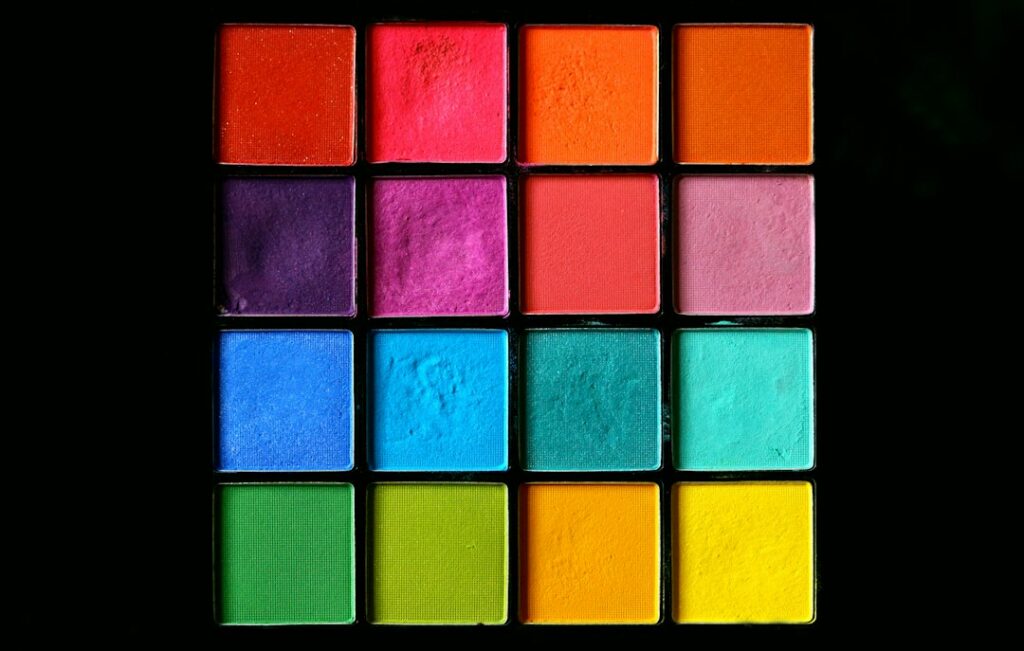
Tip a spoonful of shimmering pigment into clear resin and the whole pour comes alive – swirls of pearl, copper and deep ocean blue that catch the light as you move around them. That shimmer almost always comes from mica powder, the most widely used colourant in resin art. But mica is only one of several ways to colour resin, and choosing between micas, dyes, inks and pastes makes a huge difference to the finished look.
This hub brings together everything we know about pigments and colour for resin: what mica actually is, how it compares with other colourants, how much to use, the basics of colour theory for pours, and how to stay safe. When you’re ready to get hands-on, our step-by-step guide to using mica in resin walks through the mixing itself.
What is mica powder?
Mica is a group of naturally occurring silicate minerals that form in thin, flat, flexible sheets. Ground finely, those flat platelets reflect light like tiny mirrors, which is what gives the powder its pearlescent shimmer. The most common natural form used in pigments is muscovite.
Most colourful products on the craft market are not plain ground mica, though. Manufacturers coat the mica platelets with thin layers of metal oxides – typically titanium dioxide (for whites, pearls and interference colours) and iron oxides (for golds, bronzes, coppers and reds) – and sometimes add other approved colourants. The thickness of the coating controls how the light reflects, which is why two pigments that look similar in the jar can appear completely different in resin.
Natural vs synthetic mica
Many pigments now use synthetic mica (fluorphlogopite), which is grown in controlled conditions. It tends to be whiter and smoother than natural mica, so colours look cleaner and brighter with more sparkle. Natural mica can have a slightly warmer, softer tone. Both are widely used in resin, soap and cosmetics.
Ethical sourcing
Natural mica mining has faced well-documented concerns about working conditions and child labour in some regions. If that matters to you, look for suppliers that state where their mica comes from, publish sourcing policies, or use synthetic mica.
Types of mica pigment
- Pearl and satin: soft, silky lustre – great for subtle depth and “cells” in white or pastel pours.
- Metallic: golds, silvers, coppers and bronzes with strong reflection. The basis of metallic epoxy effects on floors, countertops and tables.
- Interference: look almost white in the jar but flash a colour (blue, green, violet, gold) when the light hits at an angle. Most dramatic over a dark base.
- Colour-shift or chameleon: change hue depending on viewing angle – for example green to purple. Typically more expensive and best used sparingly.
- Glitter-grade and coarse micas: larger particles for more sparkle and less smoothness.
- Matte and solid colours: some “mica” ranges include non-pearlescent colours blended with other pigments.
Mica vs dyes vs inks vs pastes
Each colourant behaves differently in resin. Understanding the trade-offs is the single most useful thing you can learn about colouring resin.
| Colourant | Look in resin | Opacity | Movement and effects | Watch out for |
|---|---|---|---|---|
| Mica pigment | Shimmering, pearlescent, metallic | Translucent to opaque depending on amount | Creates swirls, “chatoyance” and lacing as particles move | Can settle in slow-curing deep pours; dust when handling |
| Liquid resin dye / tint | Clear, jewel-like transparent colour | Transparent | No shimmer; very even colour | Easy to overdo – a few drops go a long way |
| Alcohol ink | Vivid, translucent; spreads into cells and petals | Transparent to semi | Great for petri dishes and cell effects | Too much can affect cure and may fade in UV light |
| Pigment paste | Solid, saturated colour | Opaque | Clean colour blocks, white lacing | Can make resin thicker; heavy use can affect cure |
| Glow powder | Daytime pale tint; glows after charging | Semi-opaque | Luminous effects | Settles; works best in thin layers or near surface |
Many artists combine them – for example, a transparent dye to tint the body of a pour and a little mica to add shimmer. For glowing pieces, see our guide to glow-in-the-dark epoxy; for an overview of every technique, our guide on how to colour epoxy resin goes into detail.
What is mica powder used for?
- Resin art and coatings: tumblers, coasters, wall art, geodes and ocean pours. Our resin art hub covers the techniques.
- Furniture and tables: tinted rivers and metallic or pearl effects in deep pours – see our epoxy table hub for ideas.
- Floors and countertops: metallic systems on epoxy floors and marble-effect epoxy countertops rely on mica-based pigments.
- Moulded pieces: jewellery, trays and keepsakes made in silicone resin molds.
- Soap and candles: colouring melt-and-pour soap and the outside of candles. In candle wax it can clog wicks, so it’s usually used for surface decoration only.
- Cosmetics: eyeshadow, nail polish and bath products – but only use products sold as cosmetic grade for anything that touches skin.
- Paint and other crafts: mixing into acrylic medium, clay, wax and gilding projects.
How much pigment to use in resin
Mica is strong, so start with less than you think. Typical guidance is:
- Translucent shimmer: a small pinch per 100 ml of mixed resin.
- Semi-opaque: around a level 1/8–1/4 teaspoon per 100 ml.
- Opaque: add gradually until the colour stops getting stronger.
As a general rule, keep total colourant to a small percentage of the resin weight – many resin makers recommend staying under around 5–6% – and always check your resin’s data sheet. Too much powder can leave a weak or tacky cure and makes the mix thicker and harder to degas.
Mixing tips
- Mix your resin and hardener thoroughly first, following the ratio exactly.
- Split the batch into cups – one per colour – before adding pigment.
- Add the powder with a small scoop, then stir slowly for 1–2 minutes, scraping the sides and bottom.
- For a smoother result, pre-mix the powder with a few drops of resin to form a paste, then stir it into the cup.
- Test on a scrap or in a small mould before committing to a large piece.
Deep pours and settling
Slow-curing casting resins stay liquid for hours or even days, and heavy mica particles can sink during that time. To keep shimmer suspended in deep pours: use finer-grade powders, pour in thinner layers, consider a resin with a shorter working time for top layers, or wait until the resin starts to thicken slightly before adding a final shimmer layer. Practise layering on a small piece before committing to a large pour.
Colour theory for resin pours
A little colour theory stops beautiful pigments turning into a muddy brown pour.
Use the colour wheel
- Analogous colours (neighbours on the wheel, like blue, teal and green) blend smoothly where they meet – ideal for ocean and landscape pours.
- Complementary colours (opposites, like blue and orange or purple and gold) create strong contrast, but where they mix they can turn grey or brown. Keep them separated with a white or metallic line.
- Triadic schemes (three evenly spaced colours) are vibrant but need one dominant colour to avoid chaos.
Light, dark and contrast
- Interference and pearl micas look best over a dark or black base, which makes the colour flash pop.
- Pure white pigment paste is the go-to for lacing and cells in ocean pours – see how it’s used in an ocean epoxy table.
- Metallic golds and coppers make a strong accent line against deep blues, greens and black.
Transparency and depth
In thick clear resin, a little colour goes a long way: a tint that looks pale in a test cup can look rich and dark in a 40 mm deep river. Always test at the real thickness. Layering slightly different tints – darker at the bottom, lighter towards the surface – creates convincing depth for water effects.
Lighting changes everything
Pearl and interference pigments change under different light. Warm indoor bulbs, cool daylight and LED strips all bring out different tones. If you’re planning a lit piece, test under the same light source you’ll use in the finished item.
Safety and storage
- Avoid breathing the dust: mica powders are very fine. Open jars gently, use a scoop rather than tipping, and wear a dust mask (FFP2/P2 or N95 or better) when handling larger amounts or working with powder repeatedly.
- Wear nitrile gloves: mostly to protect your skin from the resin itself, which is a skin sensitiser.
- Work in a ventilated space with resin, and follow the resin’s own safety data sheet.
- Grades matter: craft-grade pigments may not be suitable for cosmetics, soap or anything that touches skin or food. Check the product description.
- Food contact: pigments in resin don’t make it food safe. Only use products specifically approved for food contact for items like serving boards.
- Storage: keep jars sealed, dry and away from children and pets. Moisture can make powder clump and introduce problems in resin.
Buying mica: what to look for
- Fine, consistent particle size for smooth swirls; coarser grades for sparkle.
- Clear labelling: natural or synthetic, cosmetic grade or craft grade, and the suitable uses.
- Colour stability: some vivid pigments, especially neon and dye-blended colours, can fade in sunlight.
- Swatch photos in resin, not just in the jar or on skin – the look can change significantly.
- Sourcing information if ethics matter to you.
- Value per gram: sets of small jars are good for experimenting; larger packs of favourite colours save money.
If you’re starting from scratch, many epoxy resin kits include a starter set of micas, and our main epoxy resin hub covers choosing the resin itself. For tiny jewellery pieces cured under a lamp, remember that heavy pigment blocks light – use only a pinch in UV-curing resin.
Common mistakes
- Adding too much powder and getting a soft or tacky cure.
- Mixing complementary colours together and ending up with mud.
- Skipping a test pour and discovering the colour is far darker at full depth.
- Letting mica settle in a slow deep pour.
- Using craft-grade pigment for cosmetics or soap.
- Not mixing thoroughly, leaving streaks of unmixed powder or clumps.
Fine powders can become airborne when you open and measure them, so it is worth reading the NIOSH Pocket Guide entry for mica, which lists exposure limits and the respiratory effects of breathing in the dust over time.
Watch it being made
Watch our first light-up resin table being made in the workshop, with dragons and creatures appearing in the resin art, and the colours, pours and finishing shown step by step.
Resin Art Dragons and creatures in resin art table My First Light-Up Resin Table. More builds on the Go Bespoke YouTube channel.
Frequently asked questions
Is mica powder safe?
Used sensibly, yes. Avoid breathing the fine dust by handling it gently and wearing a dust mask for larger amounts. Use cosmetic-grade products for anything that touches skin, and remember the resin itself needs its own precautions.
What’s the difference between mica powders and pigment powder?
Mica is a type of pigment powder that creates shimmer because of its flat, reflective platelets. Other pigment powders, such as plain oxides, give solid colour with no pearlescence.
Can you use mica in epoxy resin?
Yes – it’s one of the most popular resin colourants. Mix resin and hardener first, then stir in a small amount of mica, keeping total colourant within the resin maker’s recommended limit.
Does mica pigment fade?
Mica coated with metal oxides is generally very lightfast. Some vivid or neon colours are blended with dyes that can fade in strong sunlight, and the resin itself may yellow over time, which affects the colour.
Can you mix mica with alcohol inks or dyes?
Yes. Many artists tint resin with a transparent dye and add a little mica for shimmer. Test the combination first, as too much total colourant can affect the cure.
Want to see pigments in action? Watch our builds and pours on the Go Bespoke YouTube channel, or if you’d love a bespoke coloured resin table, get in touch about a commission.
All guides in this section
- How to Color Epoxy ResinHow to color epoxy resin with pastes, alcohol inks, mica, dyes and tints: how much to add and how to test swatches…
- Metallic Epoxy: Finishes, Pigments and TechniquesMetallic epoxy explained: metallic pigments vs mica, heat gun swirls and lacing, plus metallic epoxy tables, countertops and floors, sealing and care.
- Mica Powder for ResinUsing mica powder for resin: particle sizes, interference and colour-shift micas, mixing ratios and dry-brushing surface effects.